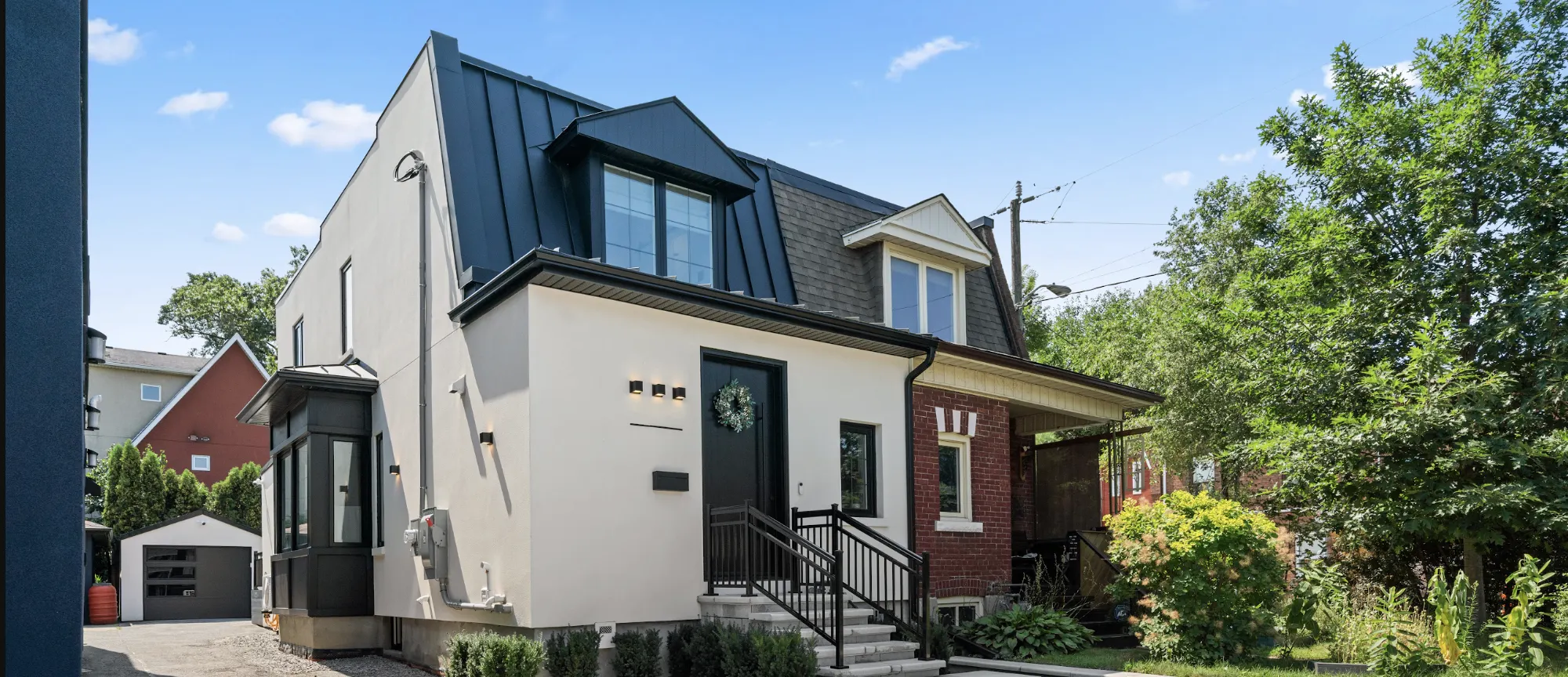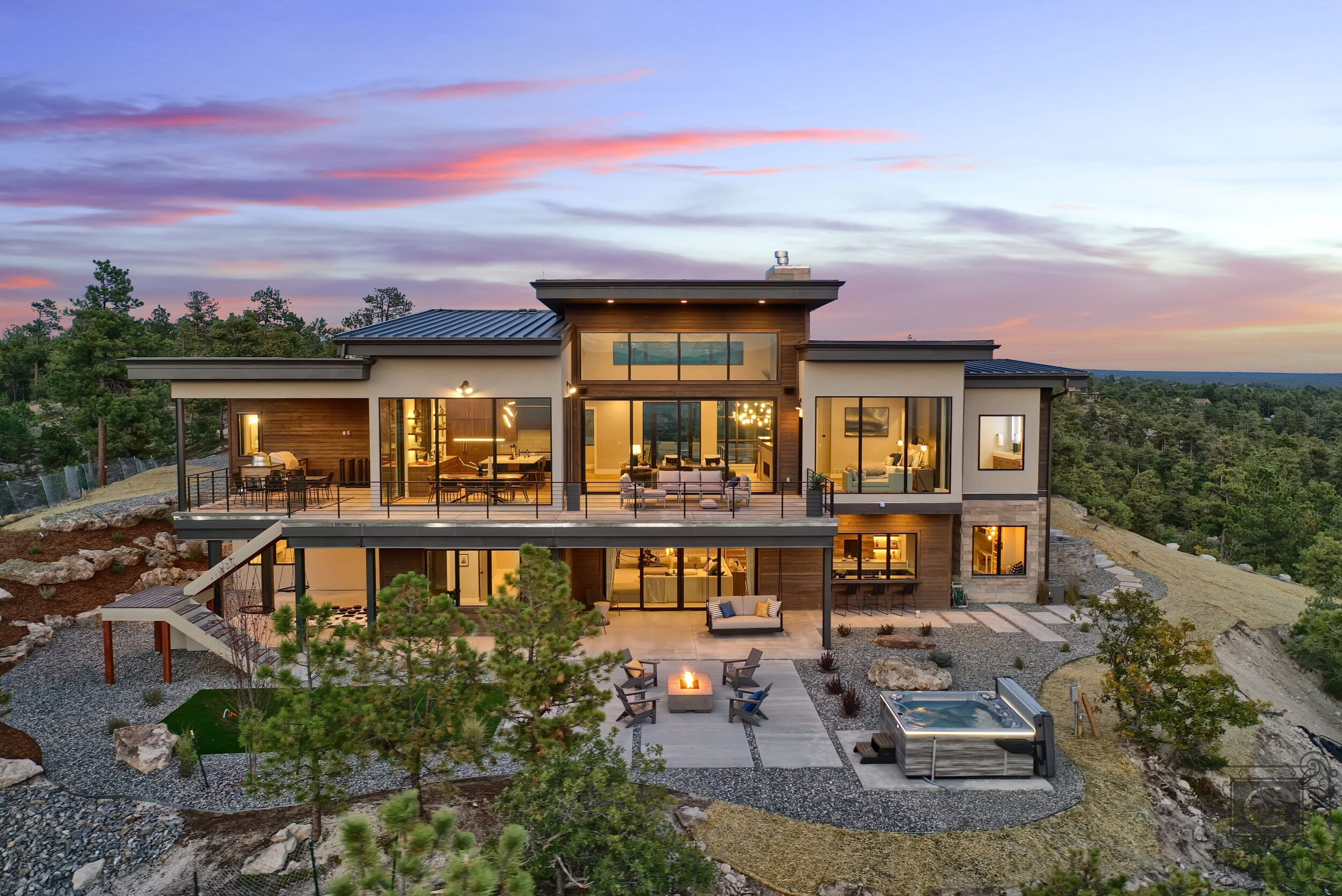
Toronto homeowners are finding new ways to make better use of their property, and laneway housing has quickly become one of the most talked-about options. Whether you want extra living space, rental income, or long-term flexibility,laneway suites Toronto offer a practical and forward-thinking solution. These compact homes sit at the rear of your lot, turning underused space into something valuable.
They also open the door to multigenerational living. You can create a private space for aging parents while keeping them close, or give adult children a more affordable first place to live. As your needs change, the same space can transition into a rental unit or home office, offering lasting flexibility.
This guide covers how laneway suites work, what to expect with permits, and how they can support your long-term goals.
What Is a Laneway Suite?
A laneway suite is a self-contained residential unit located at the back of a property, typically facing a laneway. It is a type of secondary dwelling unit in Toronto that homeowners use to expand living space without altering the main house.
Key Features Include:
- Separate entrance and utilities
- Independent kitchen and bathroom
- Compact, efficient design
The growing interest in laneway suites in Toronto reflects how urban homeowners are rethinking unused land.
Why Laneway Suites Are Growing in Toronto
The demand for flexible housing has changed how people view their property. Toronto laneway housing provides a way to add value without leaving your neighborhood.
Common Use Cases:
- Rental income opportunities
- Guest or family accommodations
- Home office or studio space
For many homeowners, a laneway house Toronto offers a balance between privacy and proximity.
Zoning and Permit Considerations
Before building, it is important to understand local regulations. The approval process for laneway suites Toronto involves zoning rules, design compliance, and building permits.
Typical Requirements:
- Property must back onto a public laneway
- Setback and height limits must be met
- Access and safety requirements must be satisfied
Navigating approvals can feel complex, but proper planning helps streamline the process.
Design Possibilities and Layout Options
Laneway suites are compact, but design flexibility still plays a big role. Modern backyard home ideas focus on maximizing space while maintaining comfort and style.
Popular Design Features:
- Open-concept layouts
- Large windows for natural light
- Smart storage solutions
A well-designed laneway house Toronto blends seamlessly with the main property while standing on its own.
- Site access and servicing
- Material choices
From a broader view, laneway suite benefits often outweigh the initial investment when planned carefully.
Long-Term Value and ROI
A laneway suite is more than an addition. It is a long-term asset. The laneway suites Toronto market continue to grow because of the flexibility it offers.
Key Value Drivers:
- Additional living space
- Potential rental income
- Increased property appeal
For homeowners exploring this option, it provides both lifestyle and financial advantages for property expansion Toronto.
Who Should Consider a Laneway Suite?
Not every property is suited for this type of build,
Costs and Investment Perspective
Costs vary depending on size, design, and site conditions. Instead of focusing on exact numbers, it helps to think in terms of value.
What Influences Cost:
- Design complexity
but many are.
Ideal Candidates:
- Homeowners with rear laneway access
- Families needing multi-generational space
- Investors seeking rental opportunities
When comparing laneway suite benefits, it becomes clear why more people are choosing this path.
How the Process Typically Works
The journey follows a structured path, similar to other residential projects.
General Steps:
- Feasibility and site evaluation
- Design and planning
- Permit approvals
- Construction and final inspections
Understanding this process helps you approach laneway suites Toronto with realistic expectations and better planning.
FAQs
Q. What is a laneway suite?
- A laneway suite is a self-contained home built at the rear of a property, typically facing a laneway.
Q. Are laneway suites allowed in Toronto?
- Yes, they are permitted in many areas, provided zoning and design requirements are met.
Q. What are the benefits of adding a laneway home?
- They provide extra space, rental potential, and improved property value.
Q. Who should consider building a laneway suite?
- Homeowners with suitable lot access who want flexible living or investment opportunities.
Final Thoughts
Laneway suites Toronto offer a practical way to expand your property while adding long-term value and flexibility. With the right planning and guidance, they can become a meaningful extension of your home. If you are considering this opportunity, contact us to explore how a laneway suite can work for your property.