

Many homeowners love the charm and character of older homes. From detailed woodwork to unique architectural features, these houses often carry decades of history.
However, when it comes to renovations, older homes frequently require structural upgrades to meet modern standards and support new design goals.
Understanding why these upgrades are necessary can help homeowners plan smarter and avoid costly surprises during construction.
Building Standards Have Changed Over Time
Construction methods and building codes have evolved significantly over the past century.
Homes built decades ago were designed for different living patterns, materials, and safety standards. Renovations often reveal elements that no longer meet current codes.
Common areas needing updates include:
- Structural framing
- Electrical systems
- Plumbing infrastructure
- Insulation
- Fire safety requirements
Modernizing these components ensures the home remains safe and functional.
Outdated Framing Methods
Electrical demand in modern homes is far greater than it was decades ago.
Older electrical systems may not support modern appliances, electric heating systems, home offices, or EV chargers. Upgrading electrical panels and wiring is often necessary during major renovations.
Insulation and Energy Efficiency
Older homes were rarely built with modern insulation standards.
Upgrading insulation improves:
- Energy efficiency
- Indoor comfort
- Heating and cooling performance
Renovations provide an ideal opportunity to improve wall, attic, and floor insulation.
Foundation Reinforcement
Foundations in older homes may experience settlement or structural stress over time.
Signs of potential issues include:
- Cracks in walls or floors
- Uneven floors
- Doors that don’t close properly
Structural engineers evaluate the foundation before major renovations begin.
Reinforcement solutions may include underpinning or structural stabilization.
Load-Bearing Wall Modifications
Modern renovation designs often favour open-concept layouts. However, removing walls without proper reinforcement can compromise structural integrity.
When talking to your contractor, they must determine which walls are load-bearing and design new supports where necessary.
Steel beams or engineered wood beams are often installed to maintain stability.
The Value of Structural Upgrades
While structural upgrades can increase renovation costs, they often provide some of the most important long-term benefits. Reinforcing the structure of your home improves safety, durability, energy efficiency, and can significantly increase resale value.
Addressing these elements during a renovation helps ensure the home is not only beautiful but also strong and built to last for decades to come.
Working with an experienced renovation team ensures these structural considerations are identified early and addressed properly.
If you're planning a renovation for an older home, Norseman Construction’s team is here to guide you through every step of the process.
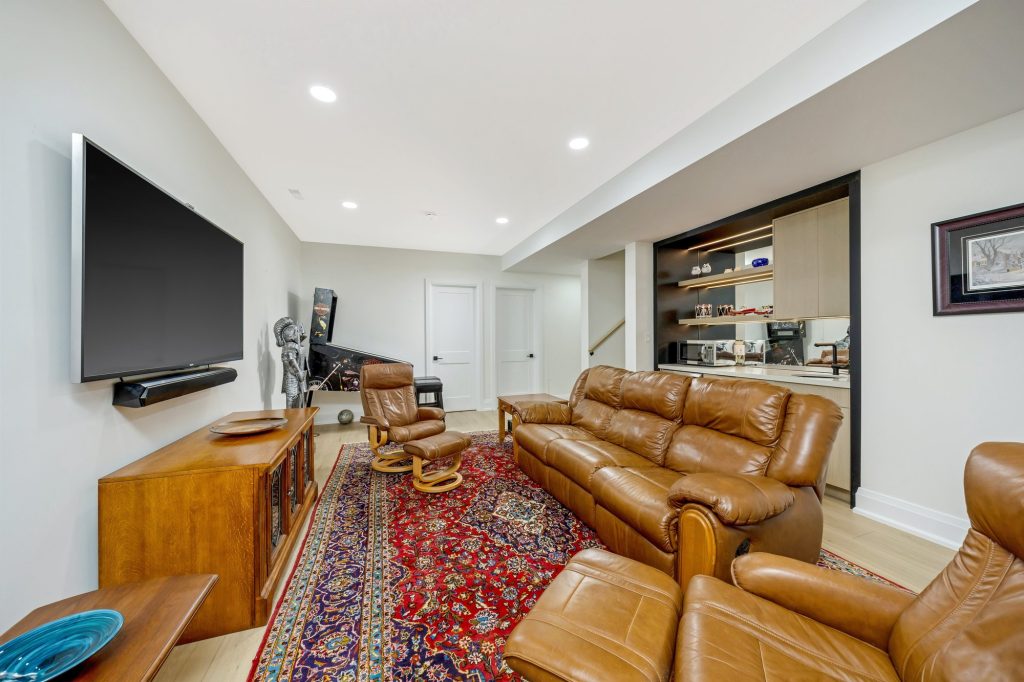
What Happens During the Design-Build Process
From Idea to Completion Home renovations involve many moving parts, from design planning and engineering to permits and construction. At Norseman, the design-build process simplifies…
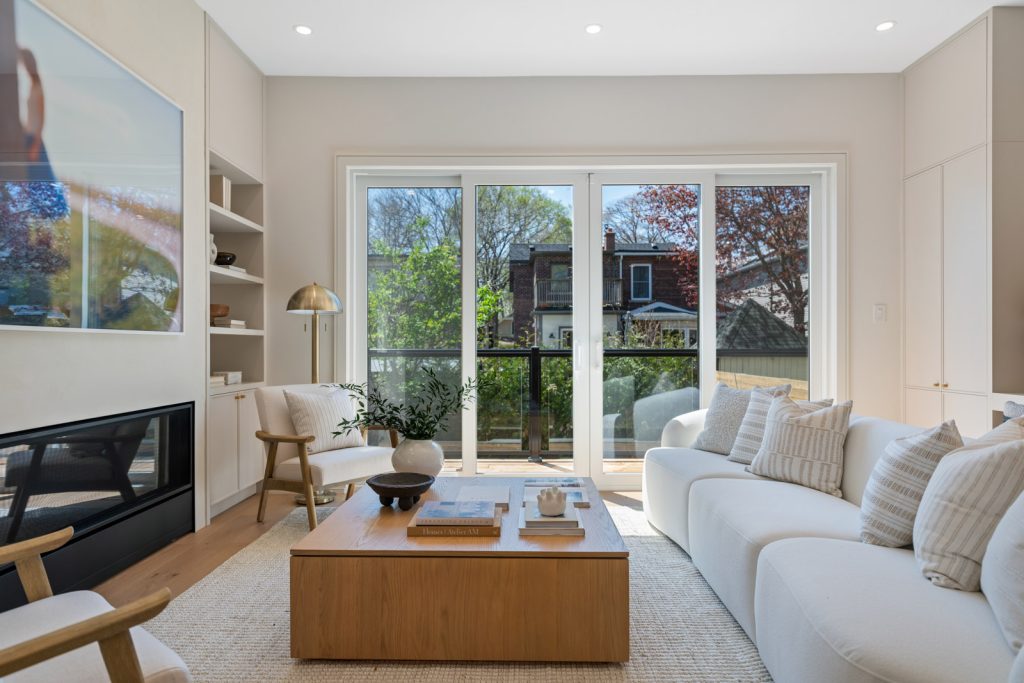
The Most Common Renovation Mistakes Homeowners Make
Home renovations can dramatically improve both comfort and property value. However, even well-intentioned homeowners sometimes make decisions that lead to unexpected costs, delays, or regret….
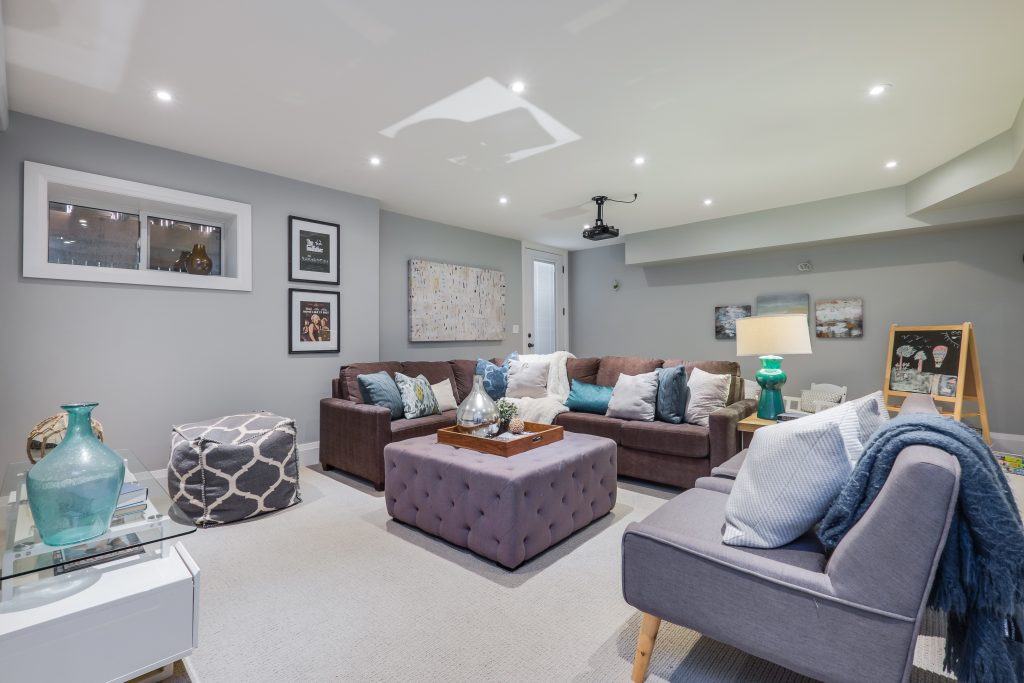
Why Older Toronto Homes Need Structural Upgrades During Renovations
Many homeowners love the charm and character of older homes. From detailed woodwork to unique architectural features, these houses often carry decades of history. However,…